

When is My Baby Ready for Solids?
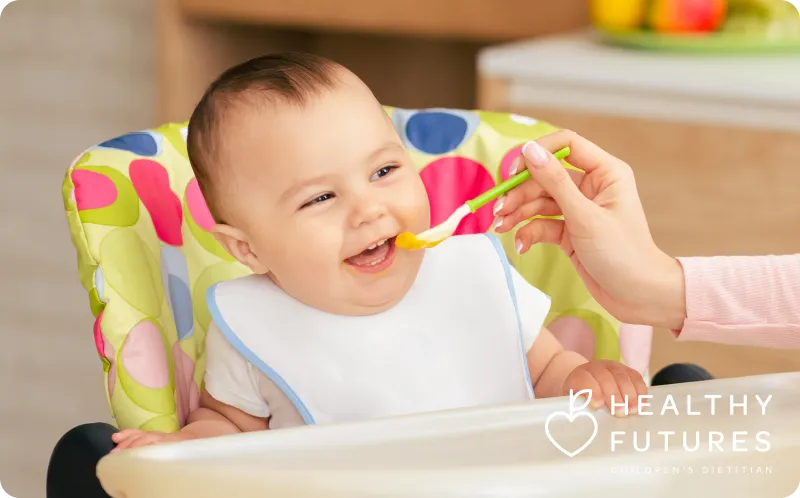
Starting solids is an exciting stage in a baby’s development, but it can also feel uncertain for many parents. Weaning, also known as complementary feeding, usually begins at around 6-months of age when a baby shows developmental signs of readiness, such as sitting with support, good head control, and an interest in food.
Finding an Approach That Works for Your Family
At this stage, breast milk or formula remains the main source of nutrition, with solid foods gradually introduced alongside it. There is no single “right” way to wean. Some families prefer spoon-feeding smooth purées, while others choose a baby-led approach, offering soft finger foods from the outset.
A combined approach is also common, and can provide flexibility while supporting the development of feeding skills.
Building a Balanced Diet from the Start
A varied diet is important from the beginning. Including a range of foods such as vegetables, fruits, starchy carbohydrates, proteins, and healthy fats helps to support growth and encourages acceptance of different tastes and textures.
Iron-rich foods, such as meat, fish, eggs, lentils, and fortified cereals, are particularly important from around 6-months as babies’ natural iron stores begin to decline.
Supporting Texture and Feeding Skill Development
Texture progression is a key part of weaning. Moving from smooth foods to mashed, lumpy, and finger foods helps babies develop chewing skills and confidence with eating. Offering appropriate textures early on can also reduce the likelihood of feeding difficulties later.
Introducing Common Food Allergens
Introducing common allergens, such as peanuts, eggs, dairy, and wheat, is recommended during the weaning period, unless otherwise advised by a healthcare professional. These should be offered in small amounts and one at a time, allowing parents to monitor for any reactions.
Creating Positive Mealtime Experiences
Creating a calm and positive mealtime environment is equally important. Babies benefit from eating with family members, exploring foods at their own pace, and being allowed to respond to their own hunger and fullness cues.
A Gradual Journey of Learning and Discovery
Weaning is a gradual process, and it is normal for intake to vary from day to day. Patience, consistency, and repeated exposure to foods can help support a positive and successful feeding experience.

You can text or call me directly on 07469 502 075 or make an enquiry by using the form below.
All content provided on the Healthy Futures website, including written materials, online resources, social media content and workshops is intended for general educational and informational purposes only. It is not intended to replace individualised medical advice, diagnosis, or treatment.